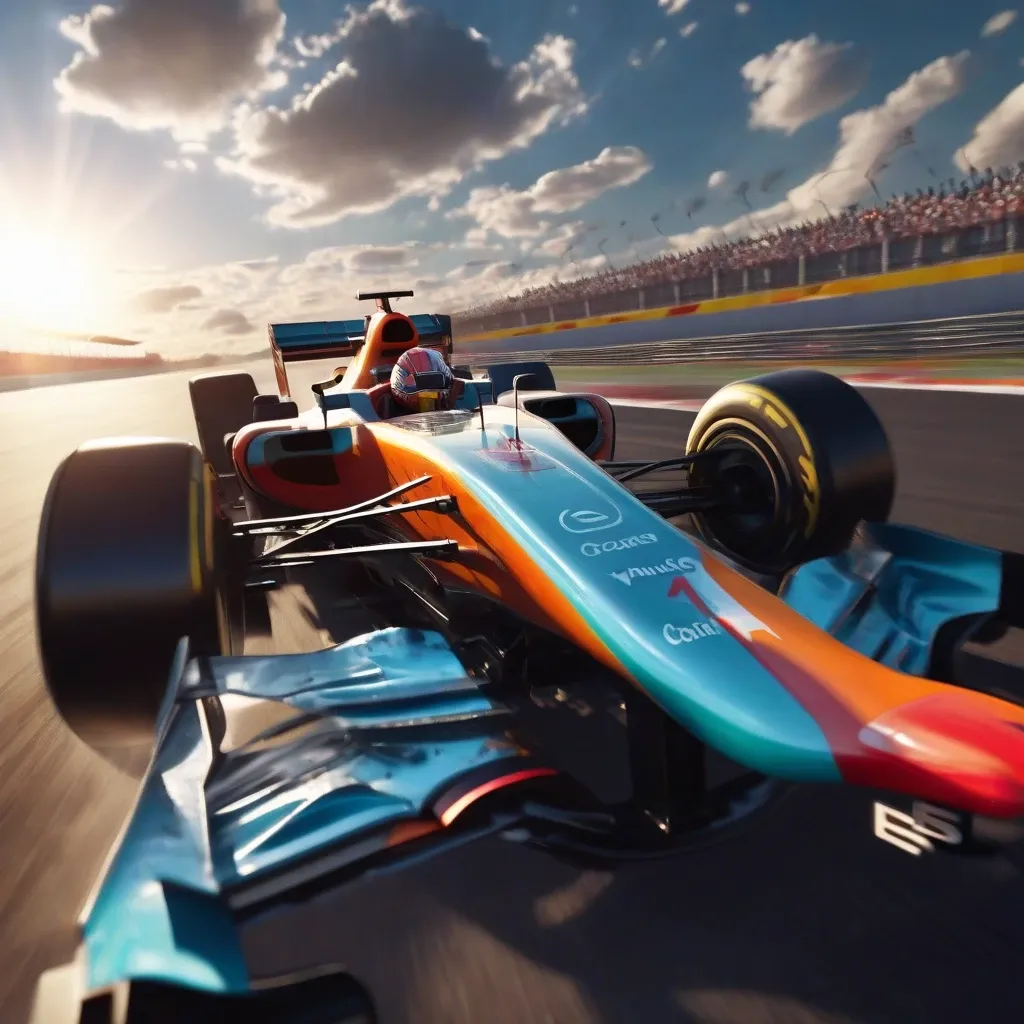
The roar of the engine, the screech of tires, the palpable tension in the air – Formula 1 is a symphony of speed, skill, and calculated risk. One unforgettable moment perfectly encapsulates this daring spirit: think back to the 1996 Spanish Grand Prix, when Michael Schumacher, in a Ferrari that was clearly inferior in wet conditions, delivered a masterclass of car control, lapping the entire field except for second-place Jean Alesi.
In the relentless pursuit of a podium finish, Formula 1 drivers and their teams often make daring decisions, pushing the boundaries of what’s possible. This realm where every millisecond matters, success hinges not only on raw talent, but on a complex interplay of psychology, race strategy, and cutting-edge technology. But here is the twist, this high-stakes world offers more than just racing thrills; it provides a fascinating study in decision-making under pressure—lessons applicable far beyond the racetrack. Explore how these principles translate into everyday life, offering insights into how to navigate challenges, assess risk, and ultimately, achieve your own personal podium finish.
The Psychology of Risk in F1
Fear Management and the Flow State
Formula 1 racing isn’t just about horsepower; it’s a high-stakes mental game where drivers dance with danger at every turn. What separates the champions from the rest isn’t just skill, but a deep-seated ability to assess, accept, and even embrace risk. At the heart of it is mental fortitude – the unwavering resolve that allows drivers to process crucial information and make life-or-death decisions in a split second, all while hurtling around a track at breakneck speeds.
Understanding the minds of these athletes reveals fascinating insights. Successful F1 drivers often demonstrate a unique psychological profile, characterized by high levels of focus, resilience, and a calculated approach to risk. They don’t just ignore fear; they acknowledge it, analyze it, and ultimately, channel it. This involves rigorous mental training techniques, from visualization exercises to simulated high-pressure scenarios, all designed to hone their cognitive skills and build unwavering confidence. Elite athletes often use mental imagery, picturing successful maneuvers and positive self-talk to reinforce positive outcomes and mitigate anxiety, techniques anyone can adapt.
Fear is a primal response, but in F1, it’s an adversary to be understood and managed. Drivers learn to dissect their fear, identifying its source and developing coping mechanisms to neutralize its impact. This often involves focusing on the immediate task at hand, breaking down the challenge into manageable segments. When drivers achieve heightened focus, a state of “flow” occurs. This is a state of peak performance where concentration sharpens, distractions fade, and reactions become lightning-fast. In this flow state, fear takes a back seat to instinct and skill. Cultivating flow, both on and off the track, enhances performance and increases enjoyment by centering full attention on the task at hand.
Managing fear through focused concentration isn’t limited to the racetrack. By breaking down complex tasks into smaller segments to maintain attention, one can apply the lessons learned from F1 drivers in their daily lives. The capacity to manage stress and remain calm under pressure will always be useful.
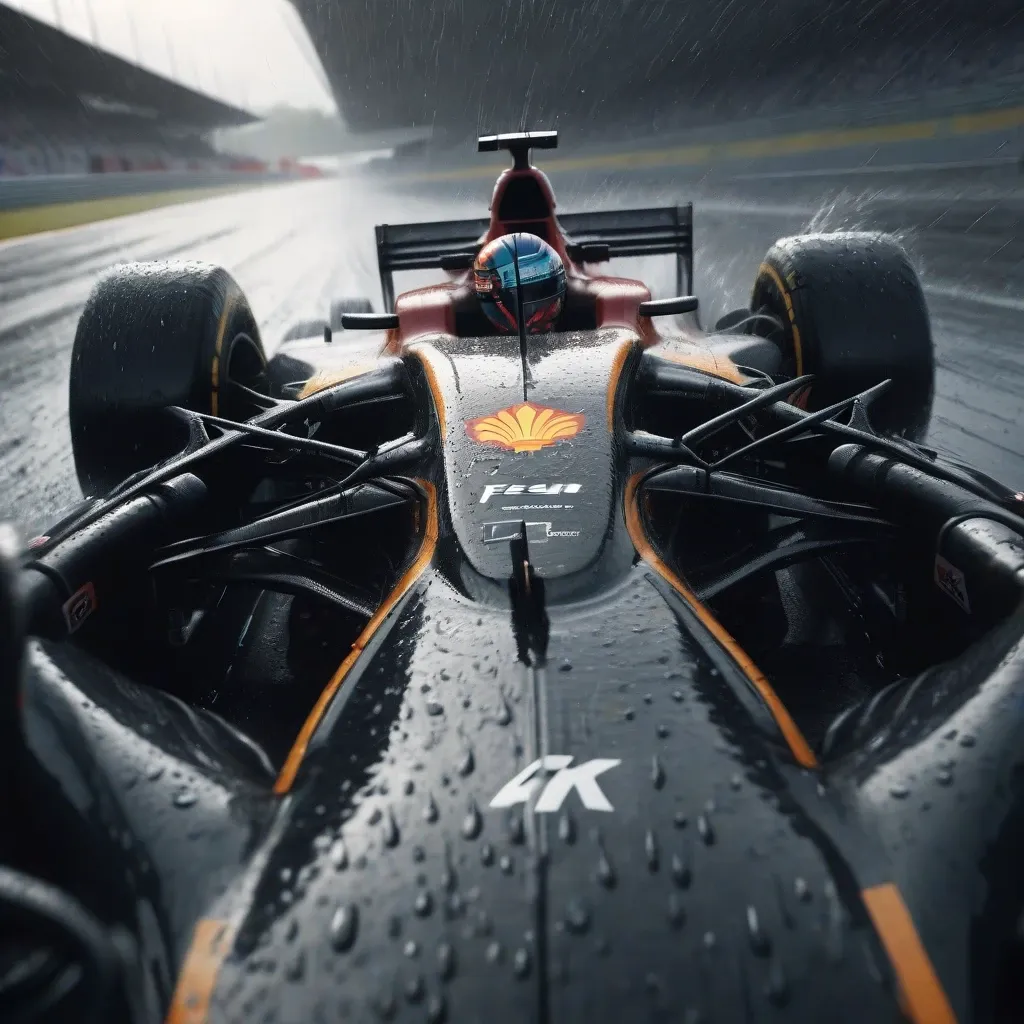
Iconic Moments: Daring Drives in F1 History
Formula 1, the pinnacle of motorsport, is not just about speed; it’s a cauldron of courage, determination, and calculated risk. The history of F1 is punctuated by iconic races where drivers pushed themselves and their machines to the absolute limit, etching their names into legend. These aren’t just wins; they’re testaments to the daring decisions that define motorsport history, moments where drivers dared to snatch victory. From breathtaking overtakes to defying impossible odds, the pursuit of a podium finish has fueled some of the most unforgettable scenes in F1.
Think about the electrifying overtakes of Max Verstappen, the tactical brilliance of Michael Schumacher, and the sheer audacity that defined Ayrton Senna’s career. These are examples of drivers who didn’t just drive; they danced with danger, turning split-second decisions into legendary moments. The echoes of roaring engines and screeching tires serve as a reminder of these drivers. Each daring act is woven into the tapestry of motorsport history. These iconic moments are more than just races; they are lessons in courage, skill, and the relentless pursuit of excellence within an environment of extreme competition.
Analyzing Senna’s Bravery
Ayrton Senna, a name synonymous with both genius and risk, exemplified the spirit of daring. His career was not just a series of race wins, but a high-stakes game of calculated risks and breathtaking precision. Senna possessed an uncanny ability to assess risk in real-time, making split-second decisions based on a deep understanding of his car, the track, and his competitors. This understanding pushed him to attempt overtakes others deemed impossible. Every challenge was a chance to prove his will.
Senna’s bravery wasn’t recklessness; it was the product of deep preparation and an unwavering self-belief—a fierce determination to extract every last ounce of performance from himself and his machine. This blend of audacious skill and mental fortitude propelled him to three World Championships, solidifying his status as one of the greatest drivers of all time. His story transcends the racetrack, reminding us that courage, combined with precision and determination, can pave the way to success in any endeavor.
The Modern F1 Landscape: Technology and Strategy
The modern Formula 1 landscape is a high-stakes arena where technology and strategy intertwine to dictate success. Teams leverage advanced technologies and data analytics to gain a competitive edge. Telemetry provides a constant stream of real-time data, allowing engineers to monitor every aspect of the car’s performance, from engine temperature to tire degradation. This data is then fed into sophisticated algorithms that optimize car setup and predict tire behavior, informing crucial decisions about pit stops and race pace. Simulations play a vital role in forecasting race outcomes under various scenarios, enabling strategists to prepare for every eventuality. Aerodynamic advancements, such as intricate wing designs and underbody airflow management, are constantly refined to maximize downforce and minimize drag, impacting cornering speeds and overtaking opportunities. Hybrid engines have revolutionized fuel management strategies, demanding precise calculations to balance power output with energy recovery throughout the race.
Machine Learning Strategy: Real Time Implementation
Machine learning is no longer a future concept in F1; it’s a present-day asset. Teams are using AI to analyze massive datasets of real-time data during a race. For example, AI algorithms can process live-update telemetry, weather data, and competitor behavior to predict optimal racing lines and adjust the car’s power unit settings on the fly. These systems analyze countless potential paths and predict tire degradation rates with impressive accuracy, enabling strategists to make split-second decisions about pit stops. The need for quick, on-the-fly applications of this technology is critical. Machine learning offers a tangible advantage by providing drivers with optimized performance parameters and race strategies that adapt dynamically to changing conditions.
Balancing Risk and Reward: A Fine Line
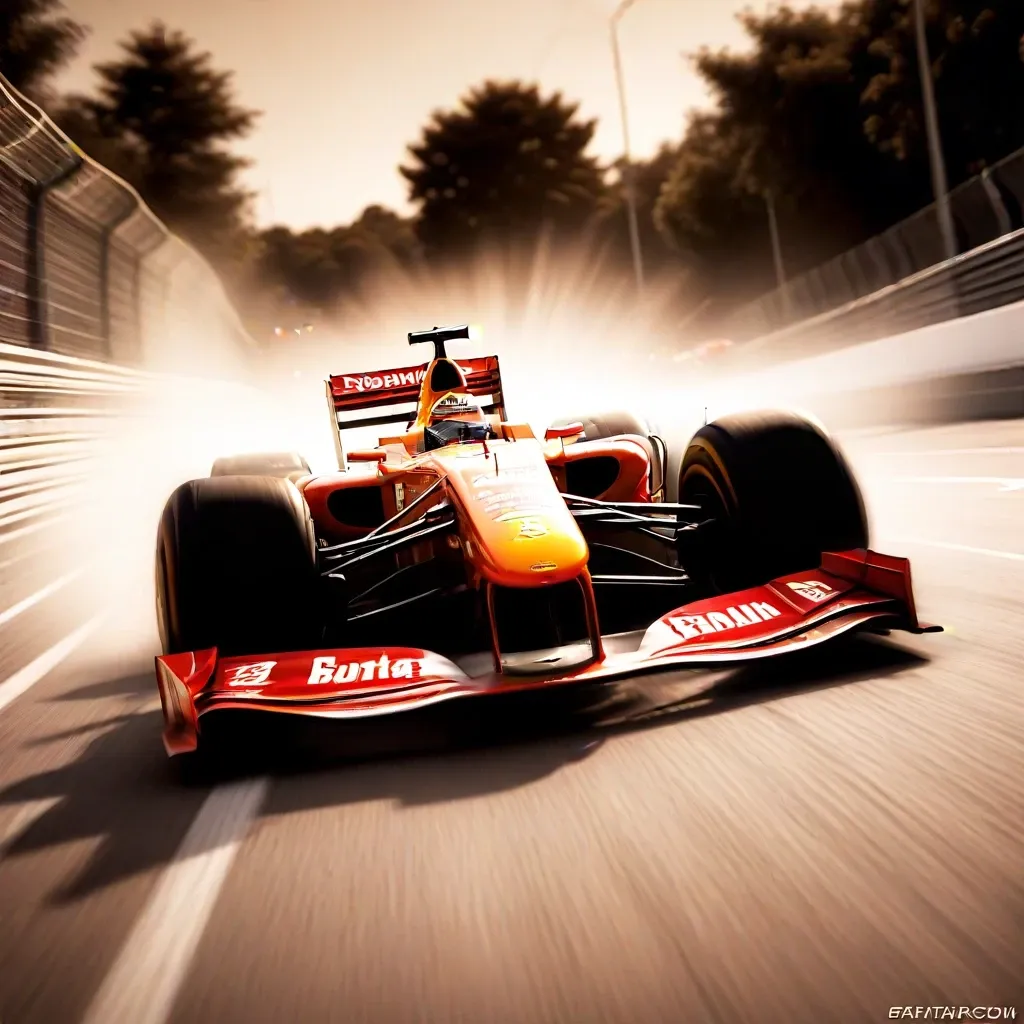
Formula 1 racing exists on a razor’s edge, a constant dance between pushing limits and respecting the very real consequences of exceeding them. For every driver, success hinges on masterful risk management, meticulously weighing the potential reward of a daring maneuver against the potential for disaster. It’s a calculated gamble played out at breakneck speeds, where a fraction of a second can separate glory from catastrophe.
Consider, for instance, the strategic overtakes attempted during crucial championship races. A driver vying for the lead might choose to attempt a risky pass, knowing that success could significantly boost their title chances. However, that same move could result in a collision, a retirement, and a devastating blow to their championship aspirations. This is where the driver’s judgment, honed through years of experience, comes into play.
Modern F1 prioritizes safety, constantly evolving to mitigate risks with advanced car design, stringent regulations, and improved track layouts. However, inherent dangers remain. Drivers are not oblivious; their risk appetite often evolves with their career. A young, ambitious driver might be more inclined to take chances to prove themselves, while a seasoned veteran might prioritize consistency and points to secure a championship. The best drivers master the art of dissecting every situation, predicting possible outcomes, and making split-second decisions which ultimately define their career.
Conclusion
Daring drives in F1 encapsulate more than just raw speed; they represent a calculated blend of supreme skill, acute strategic thinking, and unwavering nerve. The courage to execute a risky maneuver, to push the limits of the car and oneself, often separates a good driver from a legend. Whether it’s a late-braking overtake, a gutsy tire strategy, or simply maximizing performance in treacherous conditions, these moments exemplify the essence of motorsport.
The lessons learned from these high-pressure situations transcend the racetrack. The ability to assess risk, make split-second decisions, and maintain composure under pressure are invaluable skills applicable to everyday life. Embracing calculated risks, much like an F1 driver, can lead to both professional and personal growth. Remember, fortune favors the bold. This is a world of constant learning, where every race presents new challenges and opportunities to refine one’s approach. The pursuit of excellence, the courage to innovate, and the passion for pushing boundaries are qualities that resonate far beyond the world of F1 and the motorsport.