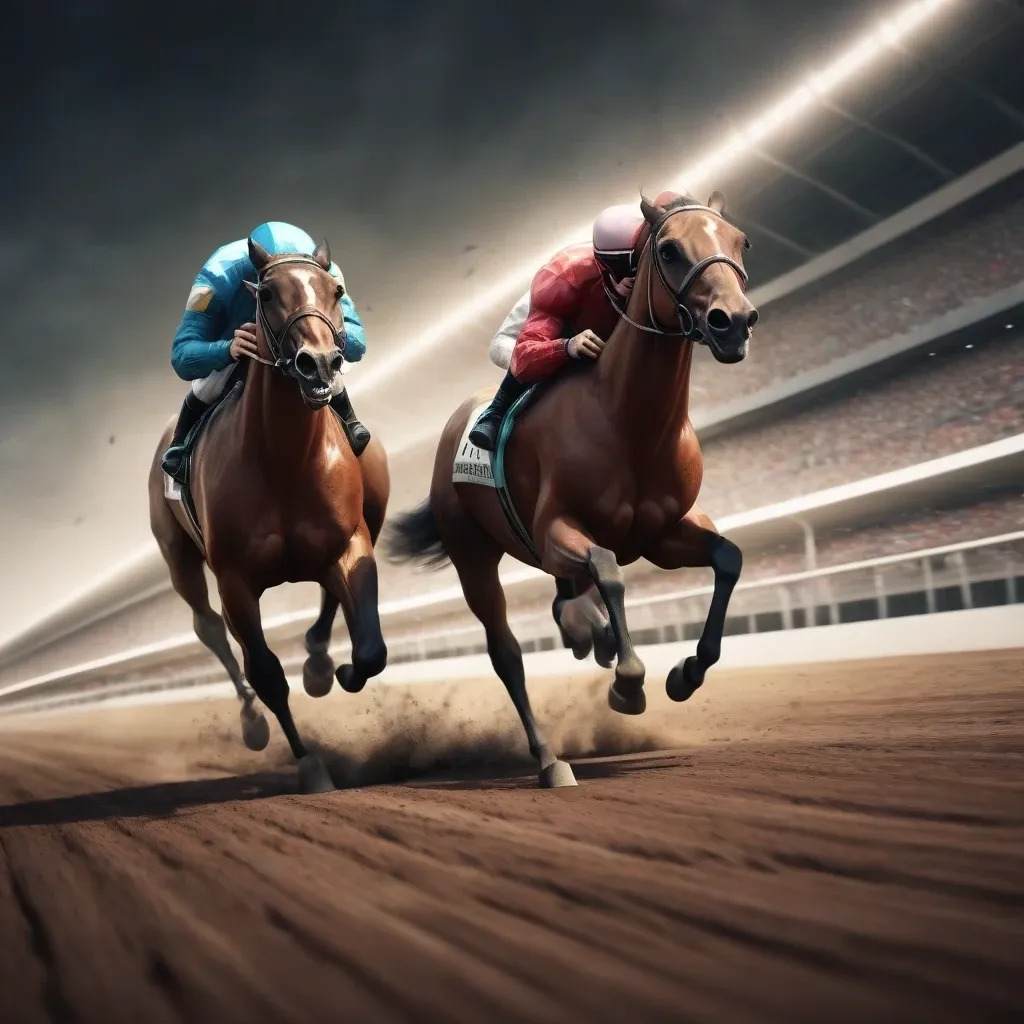
Imagine the roar of the crowd, the thunder of hooves, and the desperate cries of the jockeys as two horses, necks stretched to their absolute limit, cross the finish line in what appears to be a dead heat. For a heart-stopping moment, time seems to stand still. Then, the agonizing wait begins – the wait for the photo finish. These images, born from cutting-edge technology, have decided countless horse races where victory hangs by the thinnest of margins. A close race becomes a legend, immortality gained or lost in a fraction of a second.
The photo finish wasn’t always a staple of the sport. Early races relied solely on the human eye, inevitably leading to controversies and disputes. But with the advent of photographic technology, a new era of accuracy dawned. This article explores the thrilling history of the photo finish, unraveling the science and impact behind these decisive images that have forever changed the landscape of winning in horse racing.
A Glimpse into the Past: The Pre-Photo Finish Era
Imagine a scene of unbridled pandemonium. Thousands of spectators crane their necks, their cheers thunderous, all focused on the finish line of a horse race. Jockeys, whips flying, urge their mounts forward in a desperate surge for victory. But amidst this electrifying chaos, a critical question hangs in the balance: Who actually won?
Before the advent of photo finish technology, the answer rested solely on the fallible eyes of human judges. These individuals, often positioned at elevated vantage points, had the unenviable task of visually determining the exact moment a horse’s nose crossed the finish line. In races decided by mere fractions of a second, this was a near-impossible feat, relying as much on instinct and experience as on pure observation. The inherent subjectivity of this process frequently led to disputes, controversies, and accusations of bias. The roar of the crowd could quickly turn into a chorus of disapproval as fans questioned the judge’s verdict.
One common outcome in these ambiguous finishes was the declaration of a “dead heat,” where two or more horses were deemed to have crossed the line simultaneously. While a dead heat avoided the immediate frustration of picking a single, potentially incorrect winner, it also diluted the excitement and satisfaction of a clear victory. For bettors, a dead heat meant splitting winnings, and for owners, it meant sharing the glory which was far from ideal. The pre-photo finish era of horse racing was a world of high stakes and even higher uncertainties, a stark contrast to the precision and objectivity that define the sport today.
How It Works: The Technical Stuff
Photo finish systems are a blend of high-tech equipment working together to deliver a definitive result in races where every fraction of a second counts. At its heart, a photo finish relies on precisely capturing the moment competitors cross the finish line, creating a visual record that removes any ambiguity. This isn’t just a snapshot; it’s a meticulously constructed image built line by line.
The core technology involves a process called line-scanning. Instead of capturing an entire image at once like a regular camera, a photo finish camera records a single vertical line of pixels repeatedly, thousands of times per second. As objects (like racers) cross the finish line, their images are recorded sequentially. These individual lines are then stitched together to create a complete image that shows the order in which competitors finished. Accurate calibration is key to ensure the image is accurate and undistorted, reflecting real time and space.
The High-Speed Camera: Capturing the Moment
The capabilities of the high-speed camera are really important for a photo finish system. These cameras are not your everyday devices; they are engineered to capture images at incredibly high frame rates. While your smartphone might record video at 30 or 60 frames per second, a photo finish camera can operate at rates of 2,000 frames per second or even higher. This capability allows for capturing even the closest finishes with exceptional clarity. The resolution also plays a big role, ensuring that each image has enough detail to clearly distinguish between competitors, even in low-light conditions. This makes sure that no matter how fast the action or how poor the lighting, the camera captures every moment at the finish line.
Timing and Synchronization: Accuracy Defined
Beyond just capturing the visual data, a photo finish system must accurately record the exact time each competitor crosses the finish line. Timing systems are calibrated to provide timestamps accurate to fractions of a second which is very important for definitive results. Synchronization is not without its challenges. Potential issues like clock drift or synchronization errors between the camera and timing system can throw everything off! So that the recorded times correlate precisely with the visual data captured by the camera, you need to ensure no errors.
Interpreting the Frame: Beyond the Finish Line
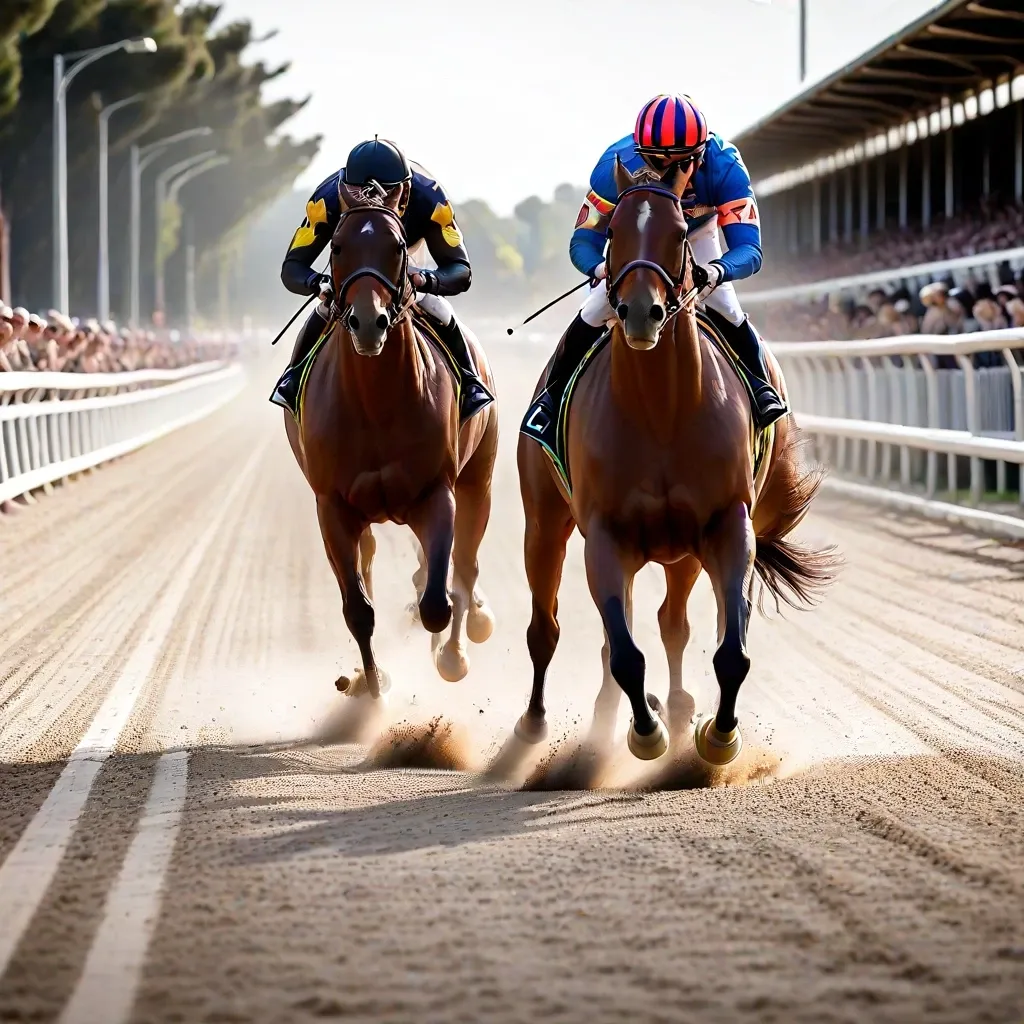
The moment a photo finish image is captured, it embarks on a journey from technological marvel to a subject of intense scrutiny. The seemingly definitive image doesn’t always offer a straightforward answer. Racing officials step in, bringing their expertise to the fore, dissecting the image with a meticulous eye. Their work is not merely about seeing, but interpreting, understanding the nuances that the camera might not fully reveal.
The analysis often involves zooming in to examine the position of each competitor’s torso as it crosses the finish line. But the path to clarity is riddled with potential pitfalls. Obstructions can arise, where a part of one participant momentarily obscures another, demanding careful deconstruction. Parallax error, caused by the camera’s angle, may lead to skewed perspectives, requiring adjustment and recalibration of the image. Some races become legendary not just for their closeness, but for the sheer difficulty in declaring a victor. These instances highlight the delicate balance between technology and human judgment, where seasoned officials navigate the intricate details.
Ultimately, interpreting a photo finish is a blend of science and art. Technology provides the raw data, but human expertise transforms that information into a final, definitive result.
The Dawn of the Camera’s Eye: Early Photo Finish Attempts
The quest for definitive race results spurred innovation from the earliest days of competitive sport. Before the advent of electronic timing, officials relied on the human eye, often leading to disputes and subjective calls. The allure of photography, with its promise of objective truth, naturally drew inventors and sports enthusiasts seeking a more accurate way to determine the victor. This marked the beginning of photo finish technology.
Early photography presented numerous hurdles. These challenges didn’t stop determined individuals from trying to harness the power of the camera. One notable figure was Earnest Marks, who experimented with photographic techniques to capture the final moments of races. Though the images were imperfect, they represented a significant step forward. John C. Hamment also made an important contribution. His techniques helped to set new standards, which demonstrated the potential of photography to resolve close calls. Although their initial attempts were often crude by modern standards, they laid the groundwork for future advancements
Single-exposure cameras of the time captured only a fleeting moment. This resulted in challenges of capturing the precise instant a competitor crossed the finish line. Factors such as the camera’s shutter speed, the angle of the shot, and even atmospheric conditions could impact the clarity and accuracy of the image. Surviving examples of these early photo finishes offer a glimpse into the ingenuity and determination of these pioneers, showcasing both the promise and limitations of the technology at the time.
Del Riccio’s Breakthrough: The Strip Camera Revolution
Before instantaneous replays and digital sensors, determining the winner of a close horse race relied heavily on the human eye. Lorenzo Del Riccio, an Italian immigrant with a knack for mechanics, changed all that. His invention, the strip camera, revolutionized photo finishes and brought unparalleled accuracy to the sport of kings. Del Riccio’s story is one of ingenuity meeting opportunity.
The magic behind the strip camera lies in its ability to capture a continuous image of the finish line. Unlike standard cameras that take a snapshot of the entire scene, the strip camera records only a narrow vertical strip. As horses cross the finish line, the camera continuously records these strips onto a moving film, creating a composite image that shows the precise order in which they arrived. This “photo finish” provides an indisputable record, eliminating any ambiguity or human error.
Del Riccio’s work at the Del Mar Thoroughbred Club, co-founded by Bing Crosby, provided the perfect environment for him to refine his invention. Before the strip camera, judges relied on visual estimations, often leading to disputes. Thanks to Del Riccio’s photo finish innovation, Del Mar became known for its fair and accurate race results. The strip camera quickly gained popularity, becoming the standard for horse racing and other sporting events worldwide, forever changing how victories are determined.
Controversies and Close Calls: Moments of Doubt
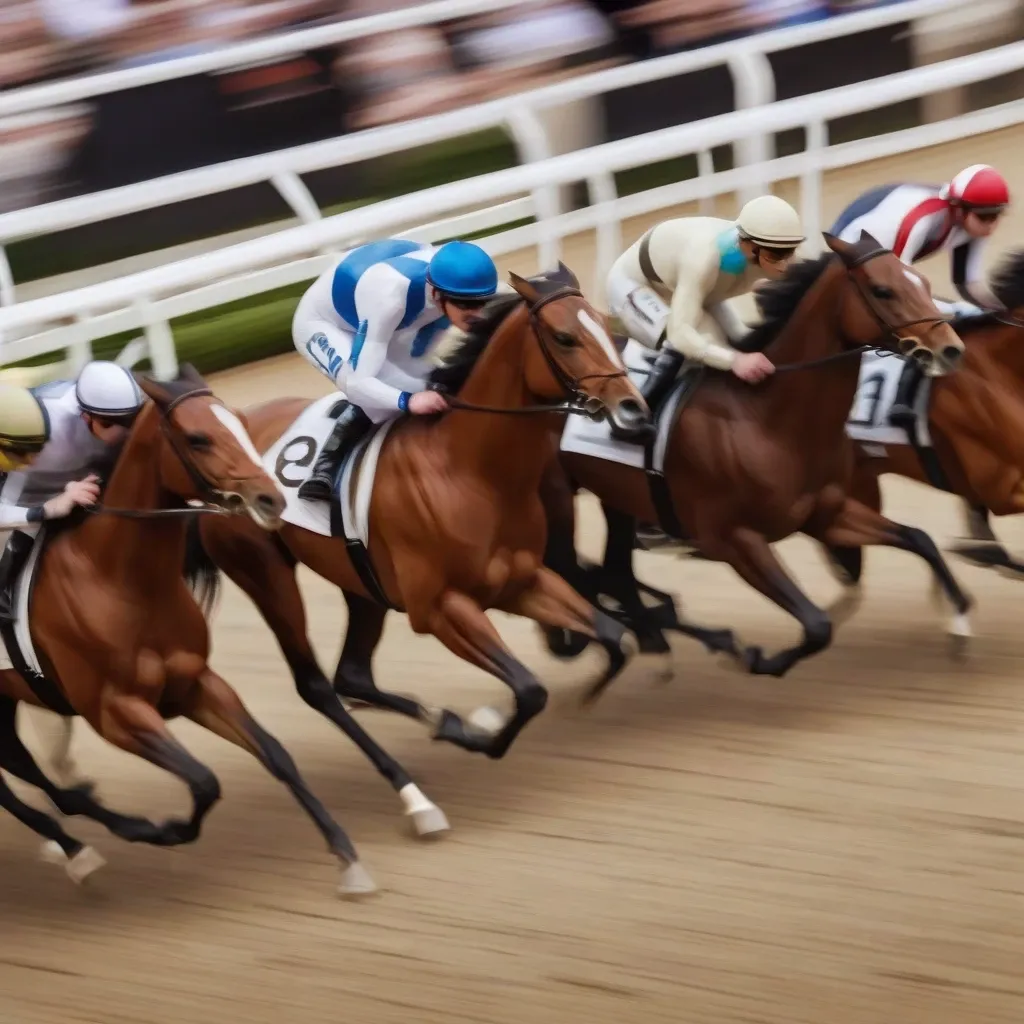
Photo finishes, while intended to provide definitive results, have often sparked intense debate and controversy. These close calls, where the outcome hinges on fractions of a second, can leave athletes, fans, and officials questioning the accuracy and fairness of the decision. Several high-profile instances highlight the inherent challenges in interpreting photo finish images.
One notable example involved a major horse race where the initial photo finish declared one horse the winner, only to be met with widespread skepticism. Replays and alternate angles fueled public opinion, with many arguing the second-place horse had actually crossed the line first. The controversy not only impacted betting payouts but also led to a formal inquiry and subsequent review of the photo finish equipment. Another dispute arose in a track and field event, where two runners appeared neck and neck in the photo. The judges’ decision was heavily criticized, with accusations of bias and misinterpretation of the image. This incident triggered a wave of discussions about the need for standardized protocols and independent review panels.
These controversies have resulted in significant changes within the sports world. Enhanced camera technology, improved image resolution, and stricter guidelines for interpretation are measures taken to minimize future disputes. Despite these advancements, the human element remains, and the potential for subjective judgment in photo finish decisions continues to exist.
The Future of Photo Finishes: AI and Beyond
The integration of Artificial Intelligence (AI) into photo finish technology represents a significant leap forward, promising to revolutionize how we determine winners in close contests. AI, with its capabilities in data analysis and automation, holds the potential to enhance the accuracy and efficiency of these systems. Imagine algorithms that can instantly analyze images, identify athletes, and determine the precise moment they cross the finish line with minimal human intervention.
One potential application lies in machine learning, where AI algorithms are trained on vast datasets of photo finish images to recognize patterns and nuances that might be missed by the human eye. This could lead to more accurate identification of the finish line and reduce the ambiguity in extremely tight races. Furthermore, AI-powered systems could automate many of the manual processes involved in timing analysis, significantly speeding up the results and reducing the potential for human error. This allows results in real-time to be given to athletes and spectators during and after a race.
However, the implementation of AI also presents challenges. Ensuring fairness and transparency are paramount. The “black box” nature of some AI algorithms raises questions about interpretability and accountability. Additionally, the ethical implications of relying on AI in high-stakes competitions need to be carefully considered. It’s crucial to develop robust validation and testing procedures to ensure the reliability and impartiality of AI-driven photo finish systems as time goes on. The future could bring an evolution in automation and faster judgements thanks to AI.
Conclusion
From its humble beginnings with primitive cameras to today’s sophisticated digital systems, the photo finish has revolutionized horse racing. This technology embodies the relentless pursuit of accuracy and fairness, ensuring that every race’s outcome is determined with utmost precision. The history of the photo finish is marked by continuous innovation, each milestone building upon the last to deliver increasingly reliable results. As technology continues to advance, the future of photo finishes promises even greater levels of sophistication and integration with other aspects of the sport. The photo finish stands as a testament to human ingenuity and its commitment to upholding the integrity of horse racing.